How to Extract Oil from Soybeans?
Soybean oil is one of the most widely used vegetable oils globally, with applications ranging from cooking to industrial use. Soybean oil extraction requires a systematic process to ensure maximum yield and oil quality. Whether you are setting up a small-scale production line or working on a large-scale commercial project, understanding the extraction process is crucial.
In this article, we'll guide you through the various methods for extracting oil from soybeans, the equipment you need, and the key factors to consider for efficient oil production.
Step 1: Preparing the Soybeans
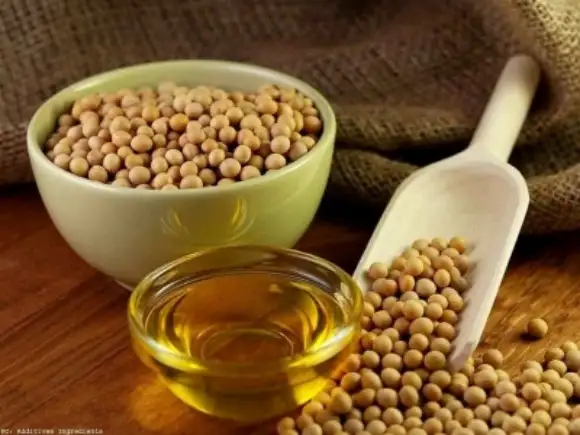
Before any oil extraction can take place, the soybeans must be properly prepared to maximize oil yield. This preparation typically involves cleaning and dehulling the soybeans.
- Cleaning: Soybeans should be thoroughly cleaned to remove dirt, stones, and other impurities. This step is crucial as impurities can damage the equipment and reduce the quality of the final product.
- Dehulling: The hulls of soybeans contain a significant amount of fiber and do not contribute to oil content. Removing the hulls increases the oil yield. Dehulling can be done using a soybean dehulling machine, which separates the hulls from the edible kernels.
Step 2: Choosing the Right Extraction Method
There are two primary methods for extracting oil from soybeans: mechanical pressing and solvent extraction. The choice of method depends on your production scale and desired oil yield.
1. Mechanical Pressing (Cold or Hot Pressing)
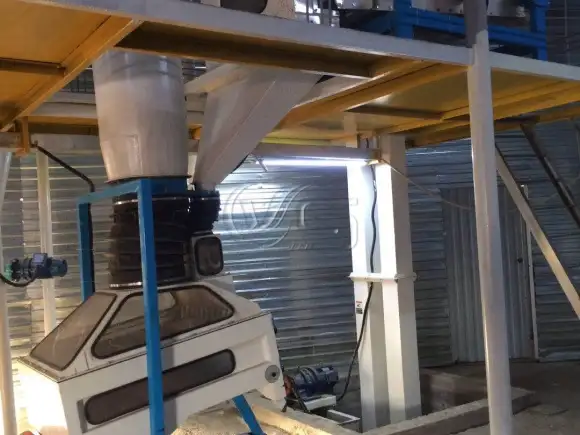
Mechanical pressing involves physically squeezing the oil out of the soybean. This method can be done using either a screw oil press or a hydraulic press.
- Cold Pressing: This method extracts oil at a lower temperature, preserving more of the oil’s nutrients and flavor. However, it results in a lower oil yield compared to hot pressing.
- Hot Pressing: In this method, the soybeans are heated before being pressed. This increases the oil yield but can also reduce some of the oil’s nutritional value.
VOS Machinery’s screw oil presses are ideal for both cold and hot pressing methods. They are designed for high-efficiency extraction, minimizing oil residue, and ensuring high-quality oil.
2. Solvent Extraction
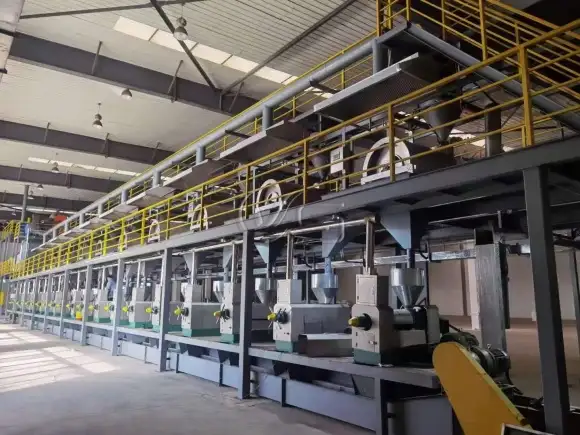
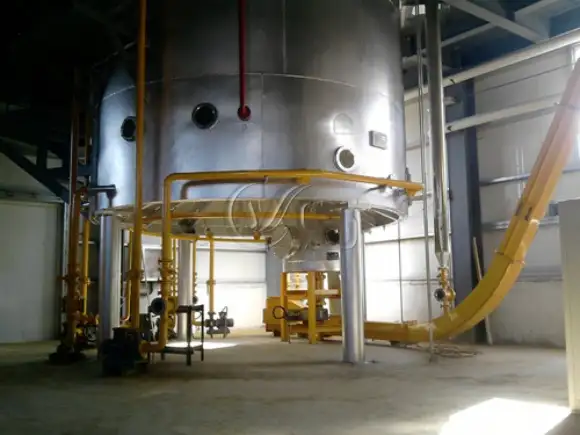
Solvent extraction is used when the goal is to achieve the highest possible oil yield. In this process, soybeans are first mechanically pressed to extract a portion of the oil, and then the remaining oil is extracted using a solvent (usually hexane).
- High Yield: This method typically results in oil yields of around 98-99%, making it the most efficient method for large-scale operations.
- Multiple Stages: Solvent extraction is often followed by a desolventizing process to remove the solvent and refine the oil.
For large-scale operations, VOS Machinery’s solvent extraction systems can process large quantities of soybeans with high efficiency, offering up to 99% oil extraction.
Step 3: Soybean Oil Refining
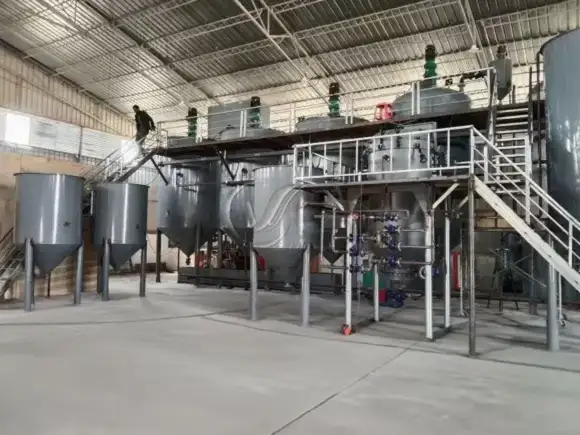
After extracting oil from the soybeans, the crude oil needs to undergo a refining process to remove impurities such as free fatty acids, phospholipids, and colorants. The refining process typically involves several stages:
- Degumming: Removes phospholipids that cause oil to become cloudy when cooled.
- Deacidification: Reduces the free fatty acid content in the oil.
- Decolorization: Removes pigments that affect the color of the oil.
- Deodorization: Removes odors and volatile compounds to ensure a neutral taste and smell.
VOS Machinery’s oil refining equipment is designed to optimize the refining process, ensuring high-quality, market-ready oil with a clean, neutral taste.
Step 4: Choosing the Right Equipment
When choosing equipment for soybean oil extraction, there are several factors to consider:
- Capacity: The size of the equipment should align with your production goals. VOS Machinery offers a variety of equipment, from small-scale 1-10 TPD oil presses to large-scale 100-1000 TPD systems that process tons of soybeans daily.
- Efficiency: Ensure that the equipment offers high oil yield efficiency and minimal residual oil. For instance, our screw oil presses and solvent extraction machines are designed to maximize yield while minimizing waste.
- Automation: Automation features can improve operational efficiency and reduce the need for manual labor. VOS Machinery provides automated solutions for large-scale oil production lines, including automatic control systems for precision and consistency.
Step 5: Packaging and Storage
Once the oil is extracted and refined, it is ready for packaging. Proper packaging is important to protect the oil from oxidation and maintain its freshness.
- Storage: Soybean oil should be stored in cool, dry conditions to prevent degradation. Tanks with anti-oxidation properties help extend the shelf life of the oil.
- Packaging: The oil is typically packaged in glass or plastic bottles for retail sales or bulk containers for industrial use.
VOS Efficient Soybean Oil Extraction
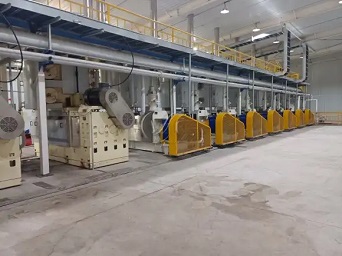
Extracting oil from soybeans can be done in several ways, with the two most common methods being mechanical pressing and solvent extraction. The choice between these methods depends on your scale of operation, desired oil yield, and product quality.
For small-scale producers, a screw oil press is a cost-effective solution, while large-scale operations may benefit from solvent extraction systems to achieve the highest possible yield.
At VOS Machinery, we offer both types of equipment, from small presses to large, fully automated systems, all designed to help you extract the highest quality soybean oil with minimal waste and maximum efficiency.